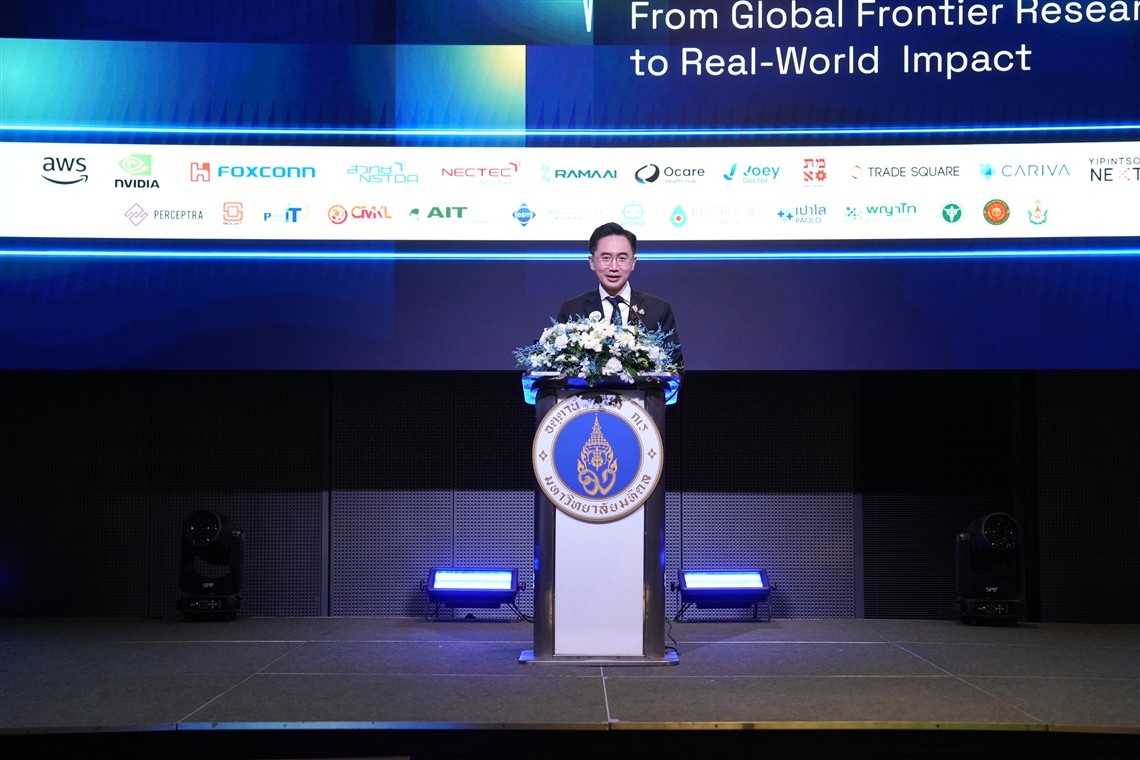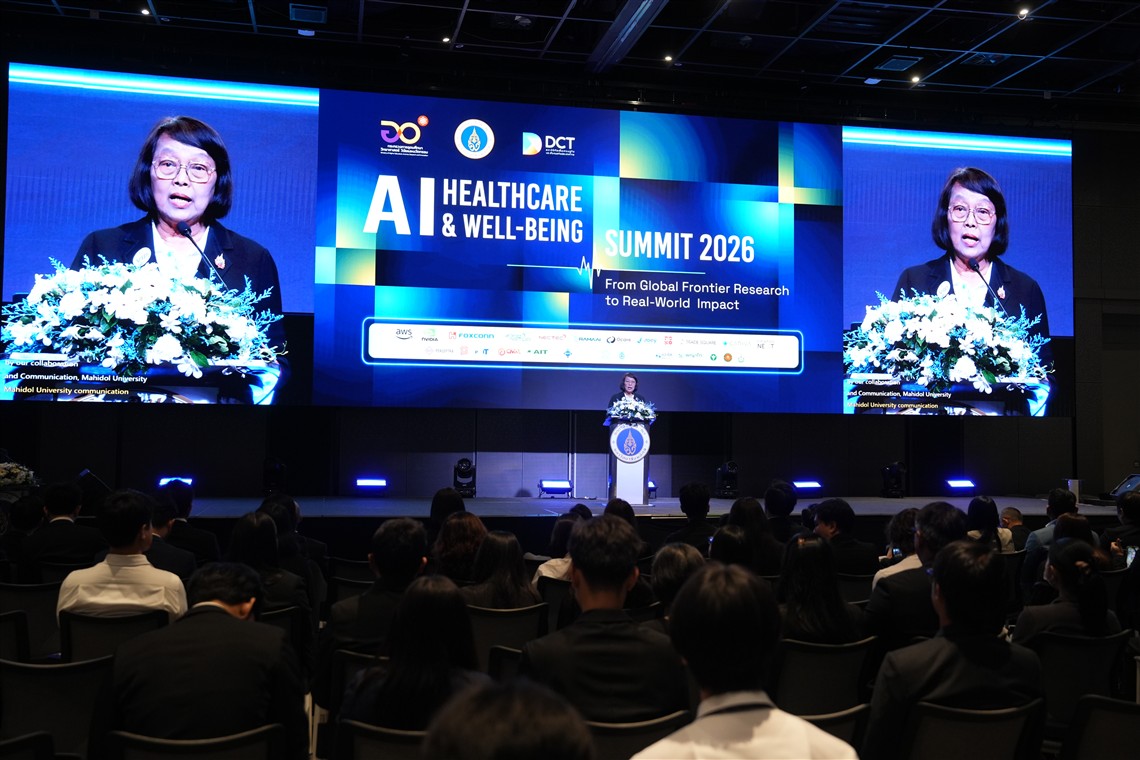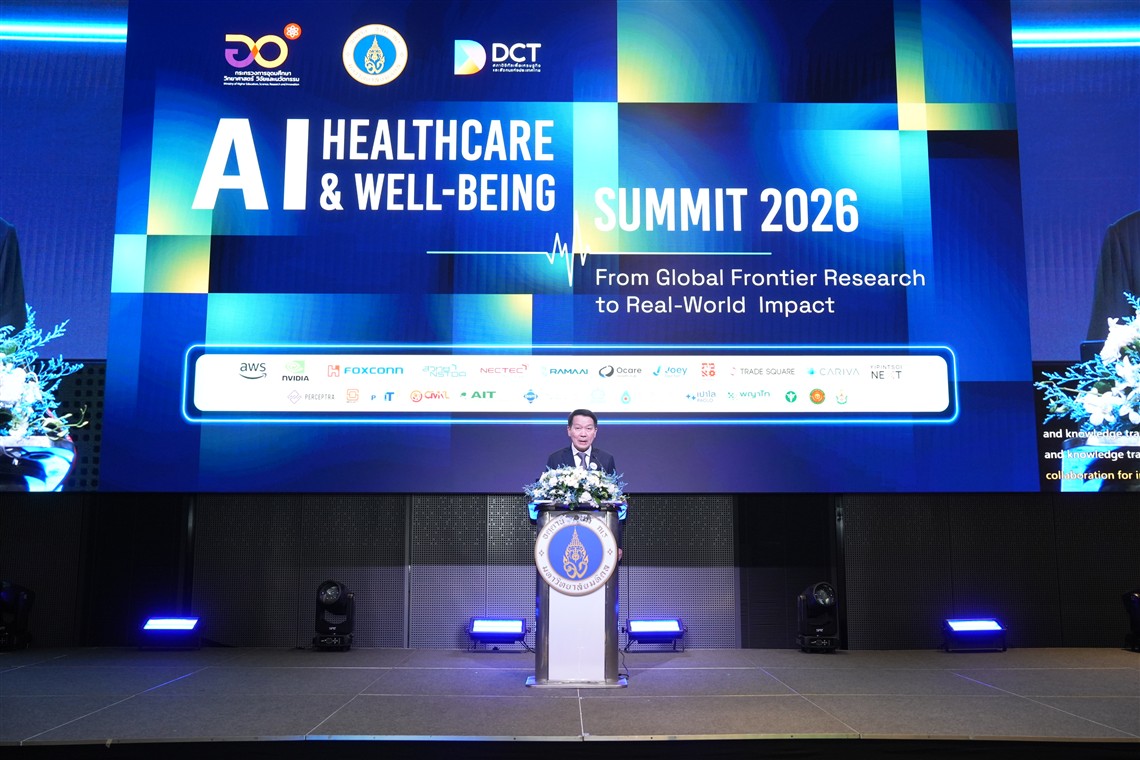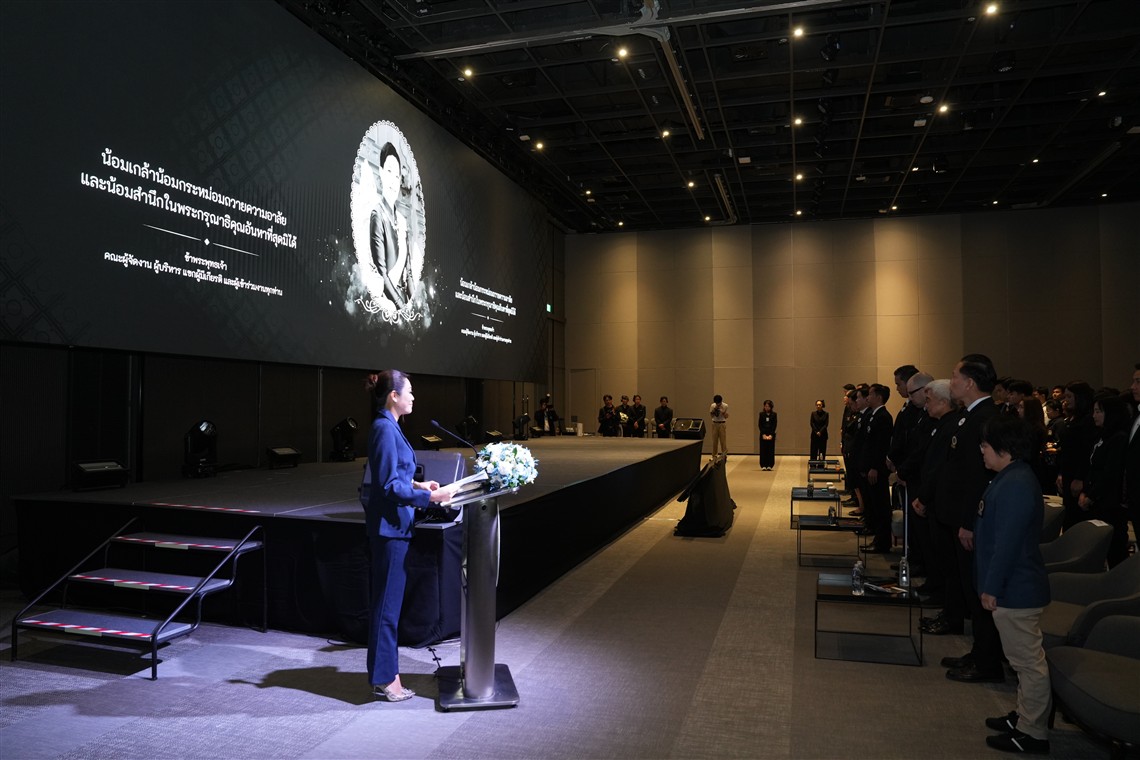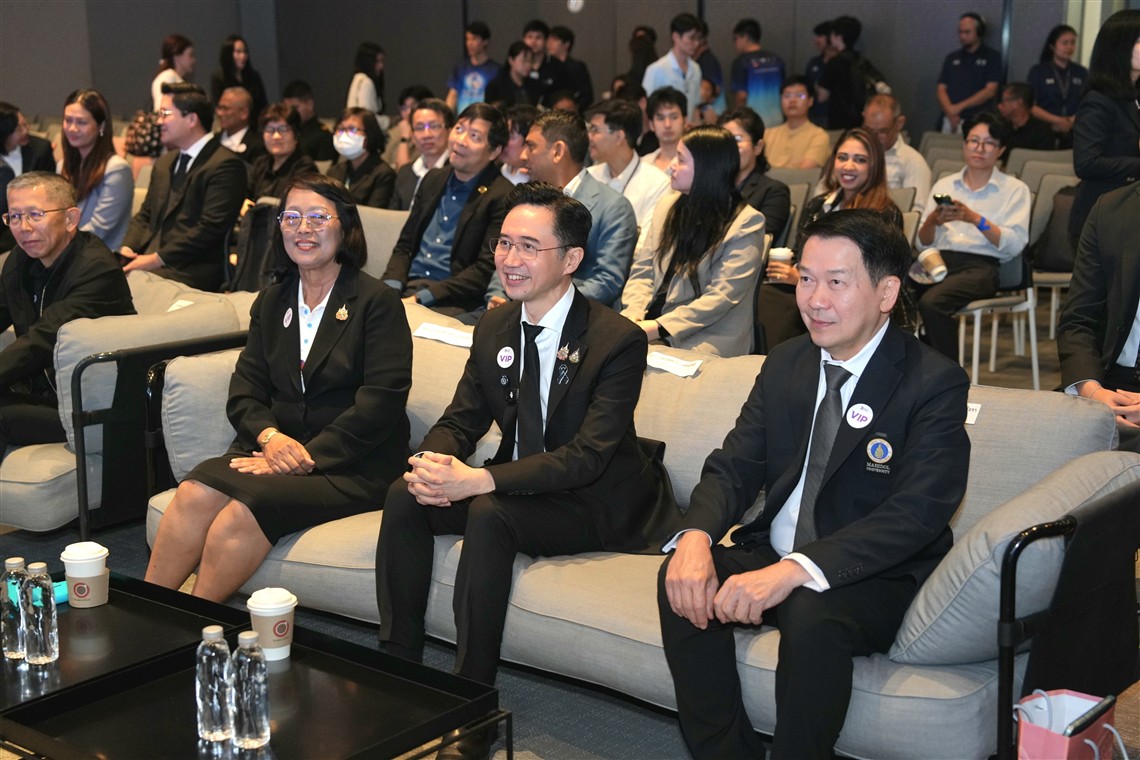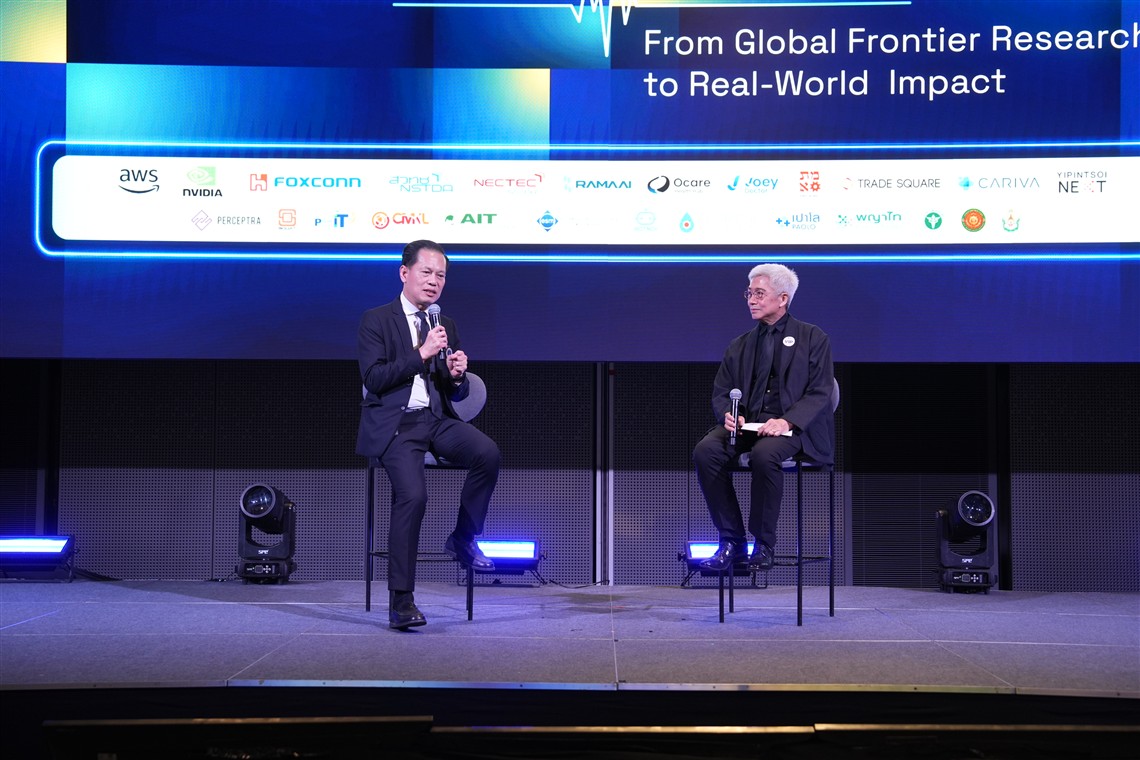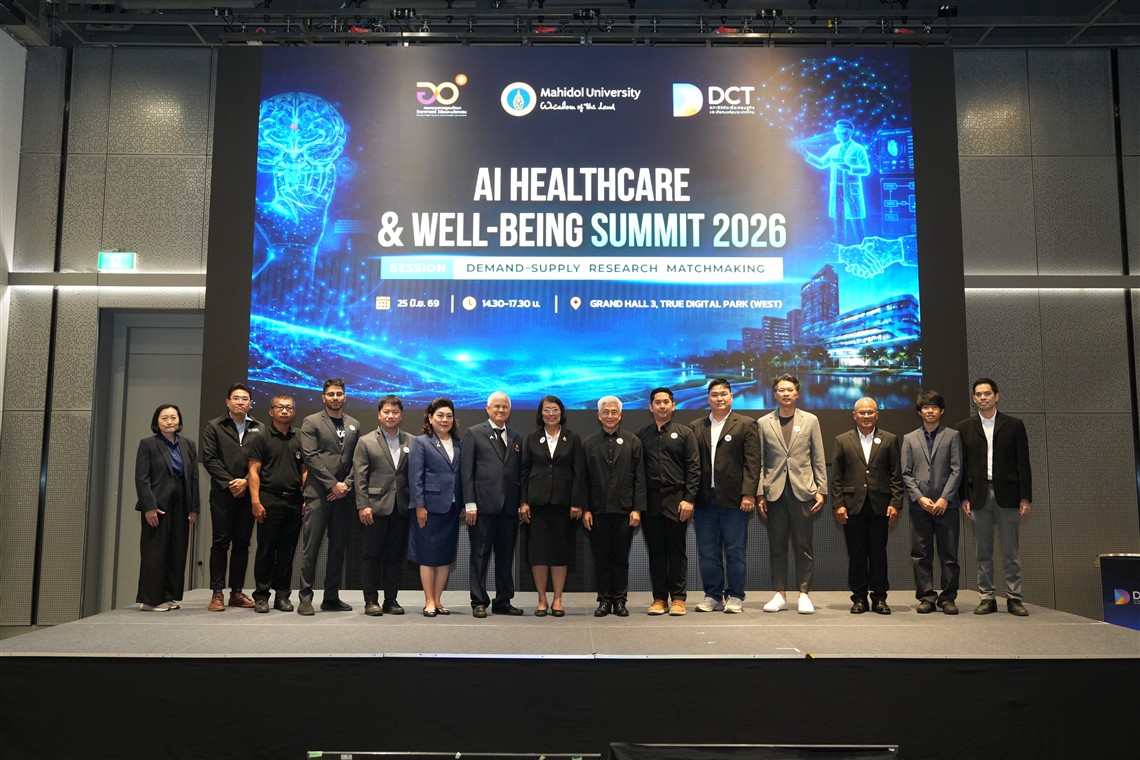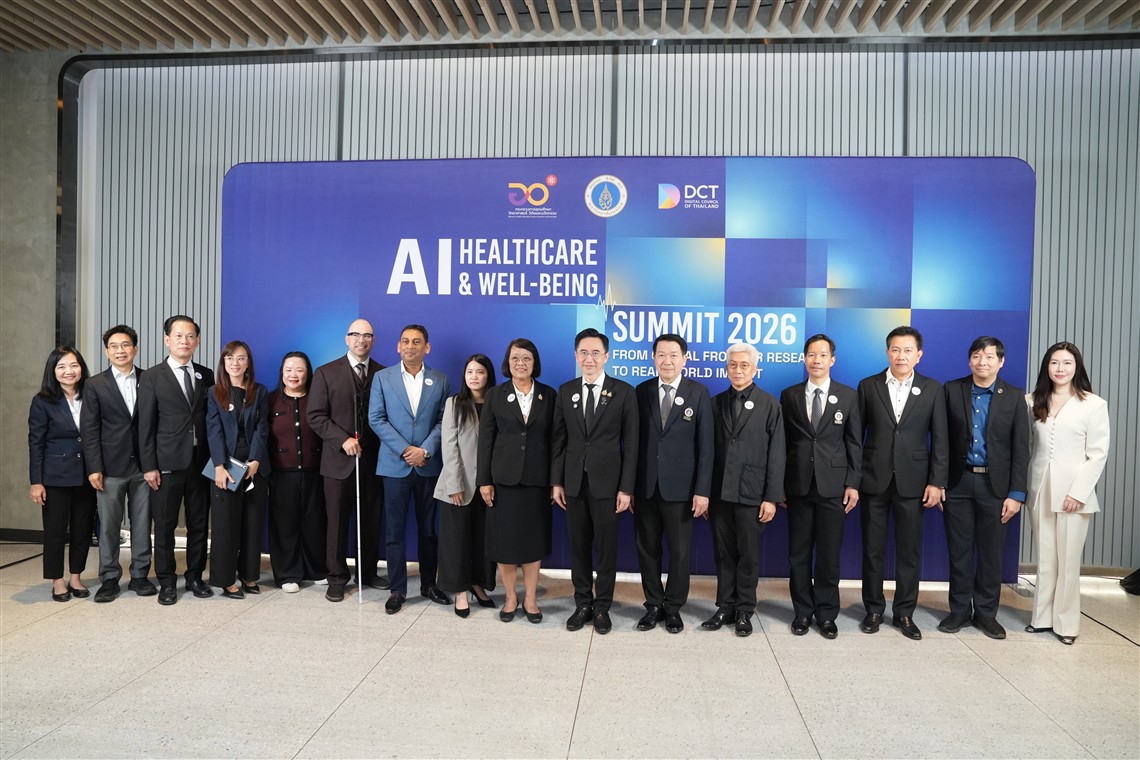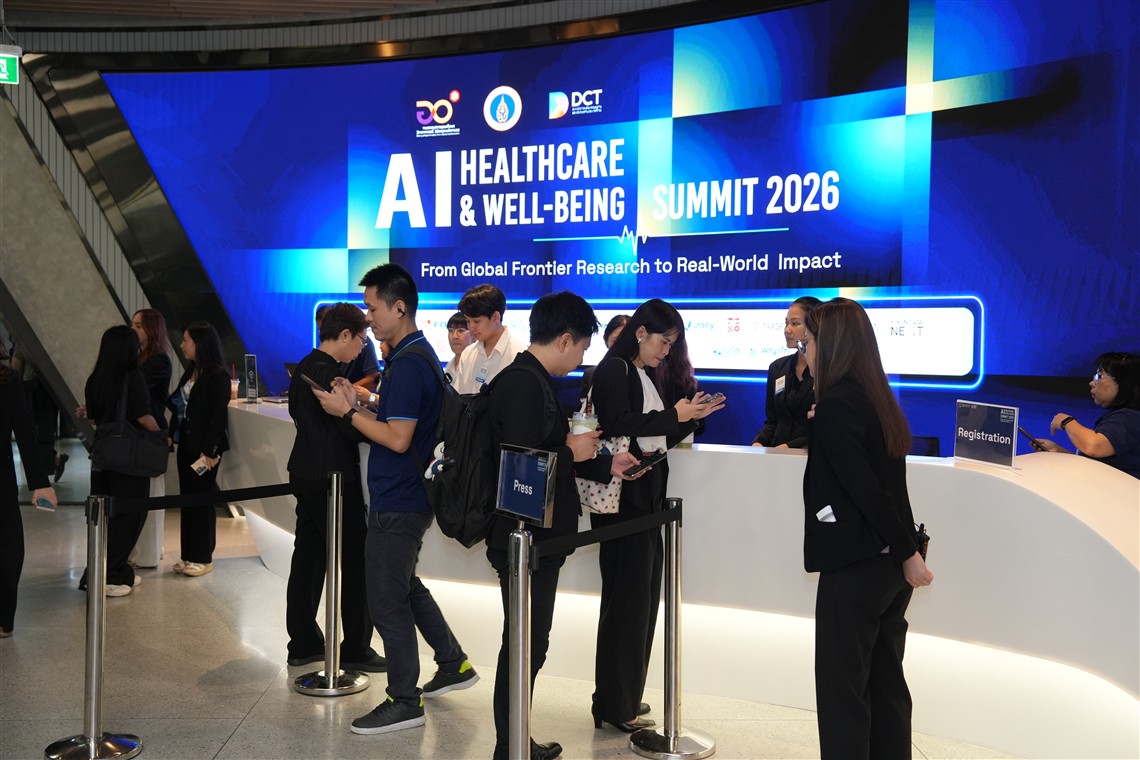
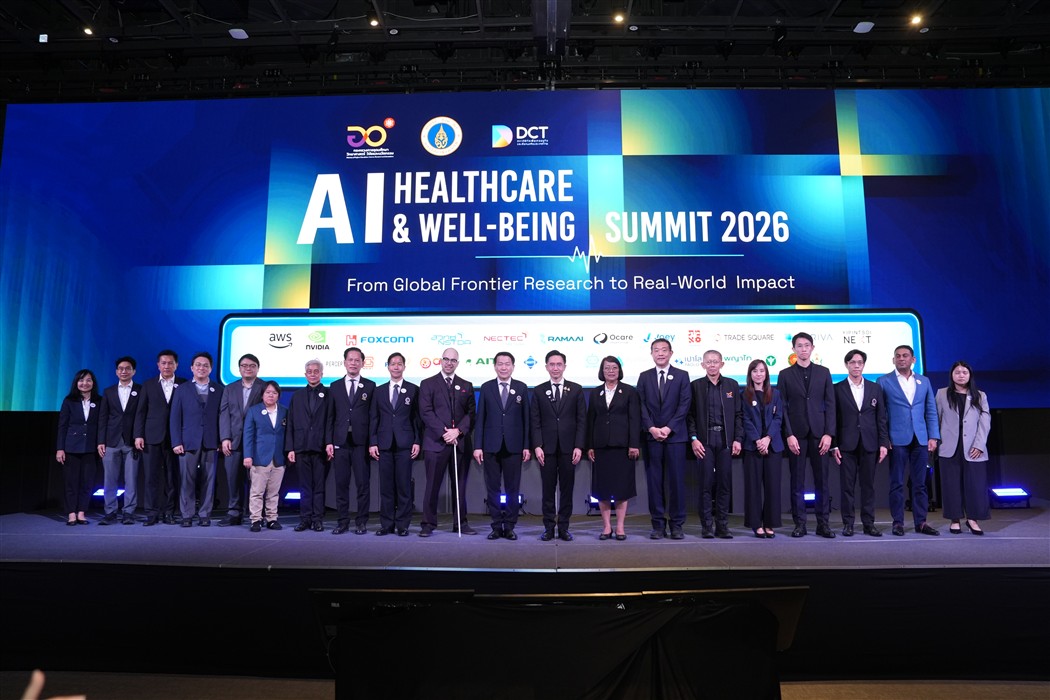
On 25 June 2026, the Faculty of Information and Communication Technology, Mahidol University (ICT Mahidol), led by Dr. Pattanasak Mongkolwat, Dean of the Faculty of ICT, and Asst. Prof. Dr. Tipajin Thaipisutikul, Assistant to the President for Research, Mahidol University, organized the international conference on “AI Healthcare & Well-Being Summit 2026” under the theme of “From Global Frontier Research to Real-World Impact” at True Digital Park, Bangkok. The conference aimed to serve as a platform for the exchange of knowledge, research, innovation, and experience in the application of Artificial Intelligence (AI) in healthcare, health, and well-being. Furthermore, the event was designed to promote collaboration among higher education institutions, healthcare organizations, government agencies, industry representatives, technology companies, startups, and innovation networks in Thailand and abroad.
The opening ceremony featured a keynote speech by Prof. Dr. Yodchanan Wongsawat, Deputy Prime Minister and Minister of Higher Education, Science, Research and Innovation. The conference also included a welcome address by M.R. Nongkran Chompoonut, Chairman of the Digital Council of Thailand, followed by a report on the objectives of the conference presented by Prof. Piyamitr Sritara, MD, FRCP, President of Mahidol University.
The event featured lectures and panel discussions by distinguished experts from academia, the public sector, and industry, both in Thailand and internationally. A key highlight was the special keynote address titled “The Power of Unity: Building AI Sovereignty in Health and Well-Being,” co-delivered by Dr. Pattanasak Mongkolwat, Dean of the Faculty of ICT at Mahidol University, and Dr. Veera Veerakool, Vice Chairman of the Digital Council of Thailand. The session outlined strategies for fostering collaborations to advance the nation’s AI capabilities, particularly in health and well-being. This mission relies on technological expertise, data, infrastructure, human resources, and strong cooperation across all sectors.
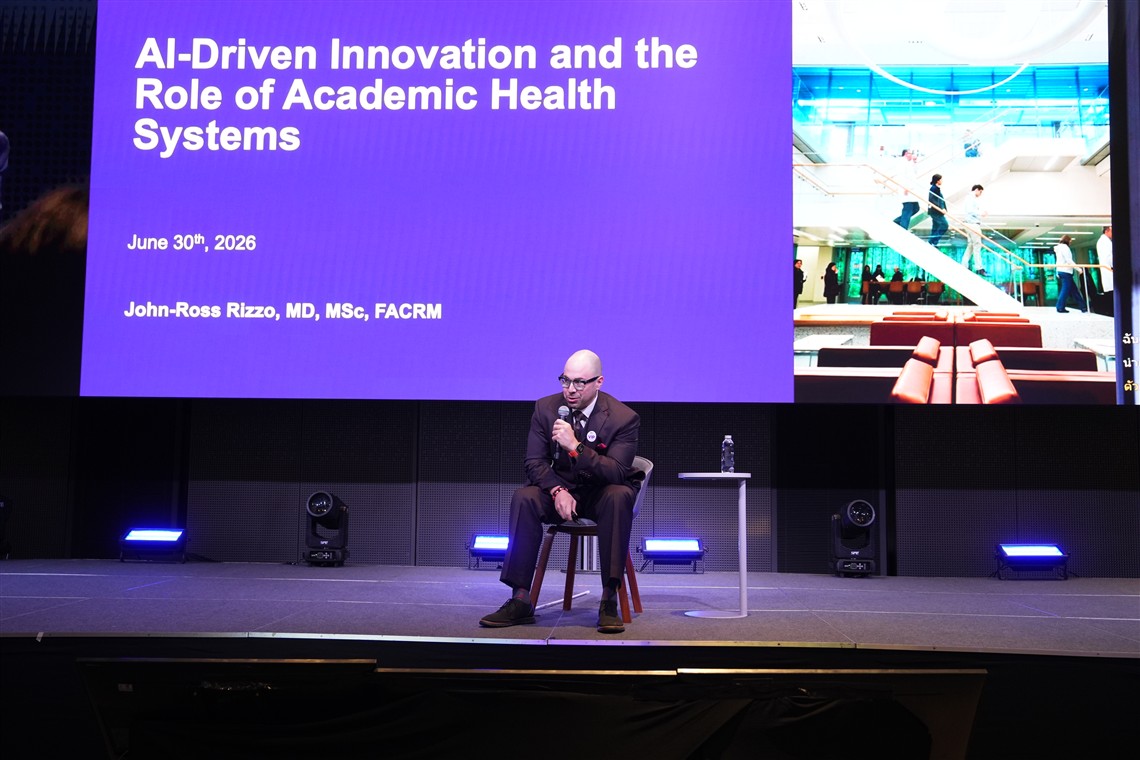
Subsequently, a special lecture entitled “AI-Driven Medicine and the Future of Academic Health Systems” was delivered by Assoc. Prof. John-Ross (JR) Rizzo, M.D., M.S.C.I., F.A.C.R.M., Vice Chair for Health Equity & Innovation, Department of Rehabilitation Medicine, New York University (NYU). The session provided insights into the role of AI-driven medicine in shaping the future of academic health systems, highlighting the use of artificial intelligence to support patient care, advance medical research, and promote health equity through technology.
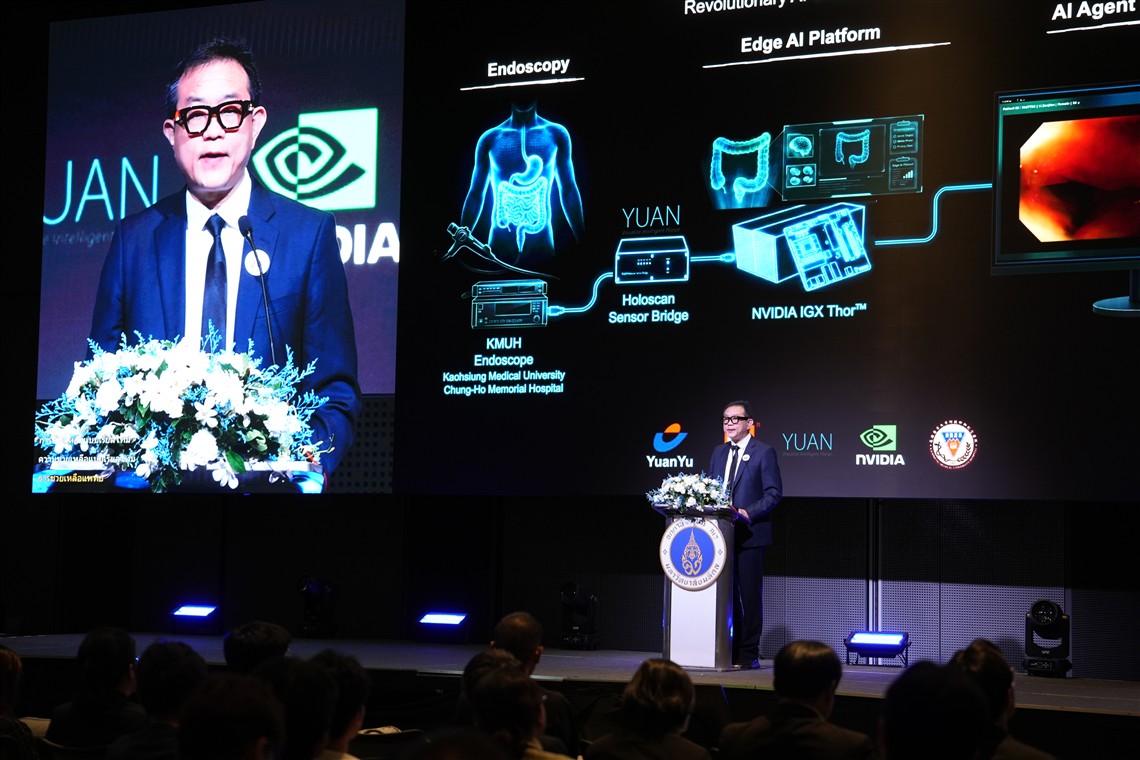
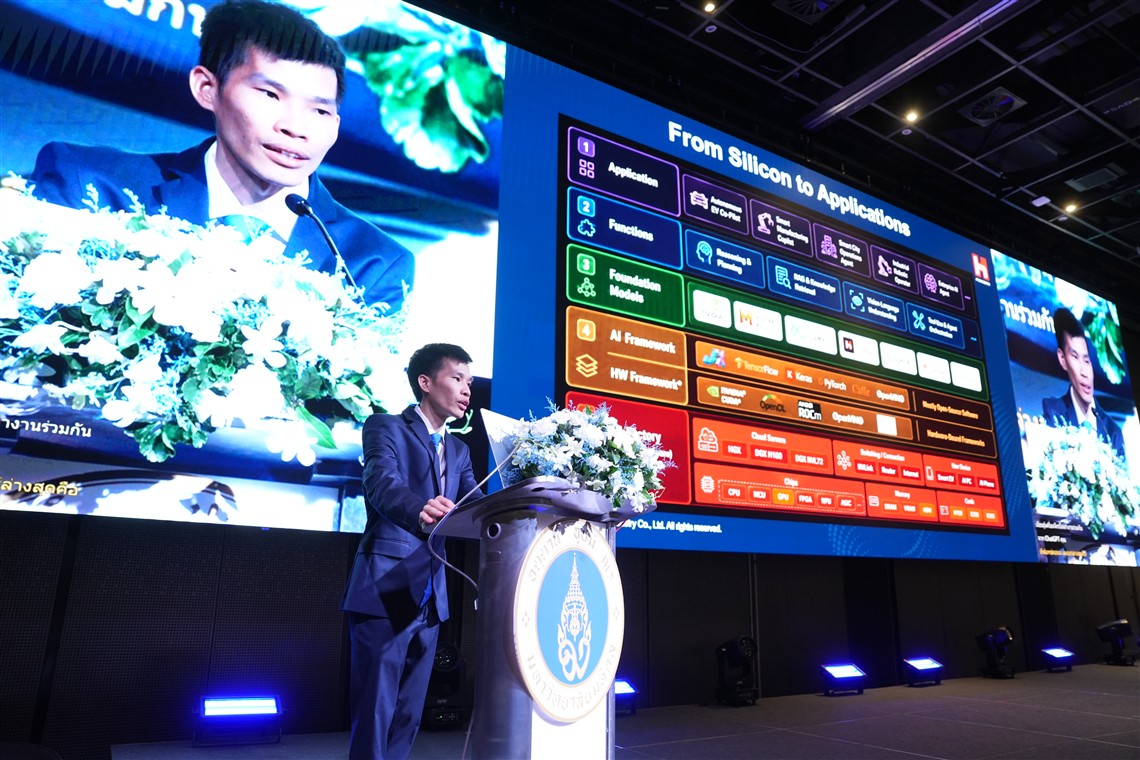
The program continued with a presentation on “Scaling AI Healthcare Platforms and Industry Deployment” by Dr. Yung-Hui Li, Director of the AI Research Center at Hon Hai Research Institute. The session focused on the advancement of AI healthcare platforms, the scaling of AI technologies for large-scale industrial deployment, and approaches to integrating innovation into healthcare services to ensure effective and sustainable implementation.
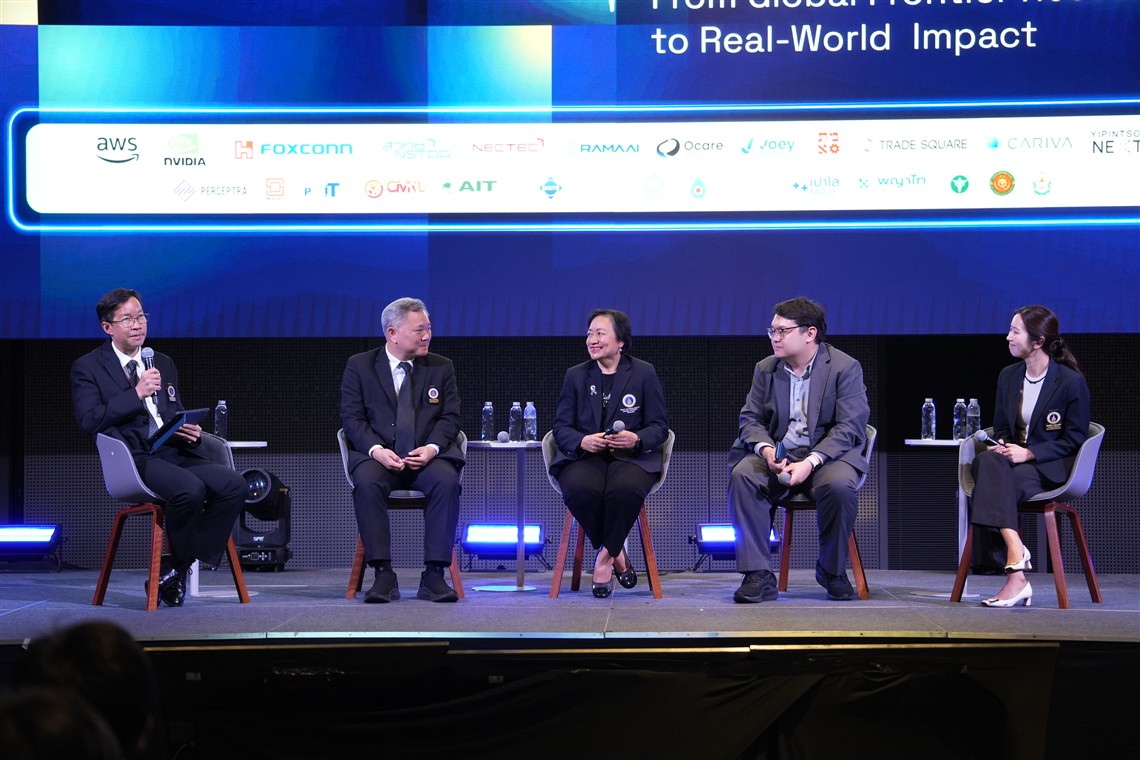
The event also featured a panel discussion on “Synergy Research in Medicine & Well-Being,” which served as a platform for exchanging insights on the integration of medical, healthcare, and well-being research. The session was moderated by Prof. M.L. Chagriya Kitiyakara, Vice President for Research at Mahidol University, and featured a multidisciplinary panel of experts, including Assoc. Prof. Dr. Surakit Nathisuwan, Dean of the Faculty of Pharmacy, Mahidol University; Dr. Jetsumon Prachumsri, Deputy Dean for Research, Faculty of Tropical Medicine, Mahidol University; Dr. Piyalitt Ittichaiwong, Research Physician in Artificial Intelligence, Faculty of Medicine Siriraj Hospital, Mahidol University; and Asst. Prof. Dr. Chayanin Nitiwarangkul, Assistant Dean for Innovation and Partnership and RAMAAI’s co-founder, Faculty of Medicine Ramathibodi Hospital, Mahidol University.
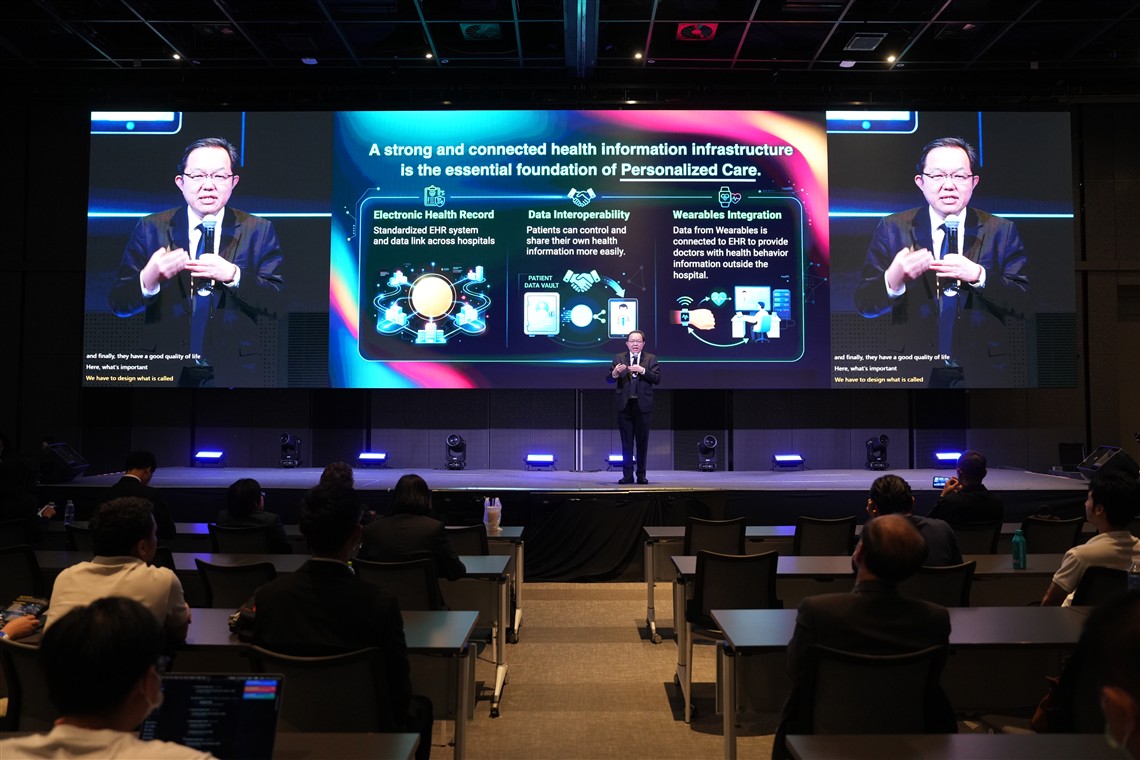
For the afternoon session, a lecture on “Health, AI and Data Infrastructure for Real-World Healthcare Impact” was delivered by Assoc. Prof. Cherdchai Nopmaneejumruslers, Vice President for Information Technology and Digital Transformation, Mahidol University. The session highlighted the critical importance of data infrastructure, digital technology, and AI in supporting modern healthcare systems, emphasizing the development of integrated and practical data systems to improve healthcare decision-making, research, and patient care.
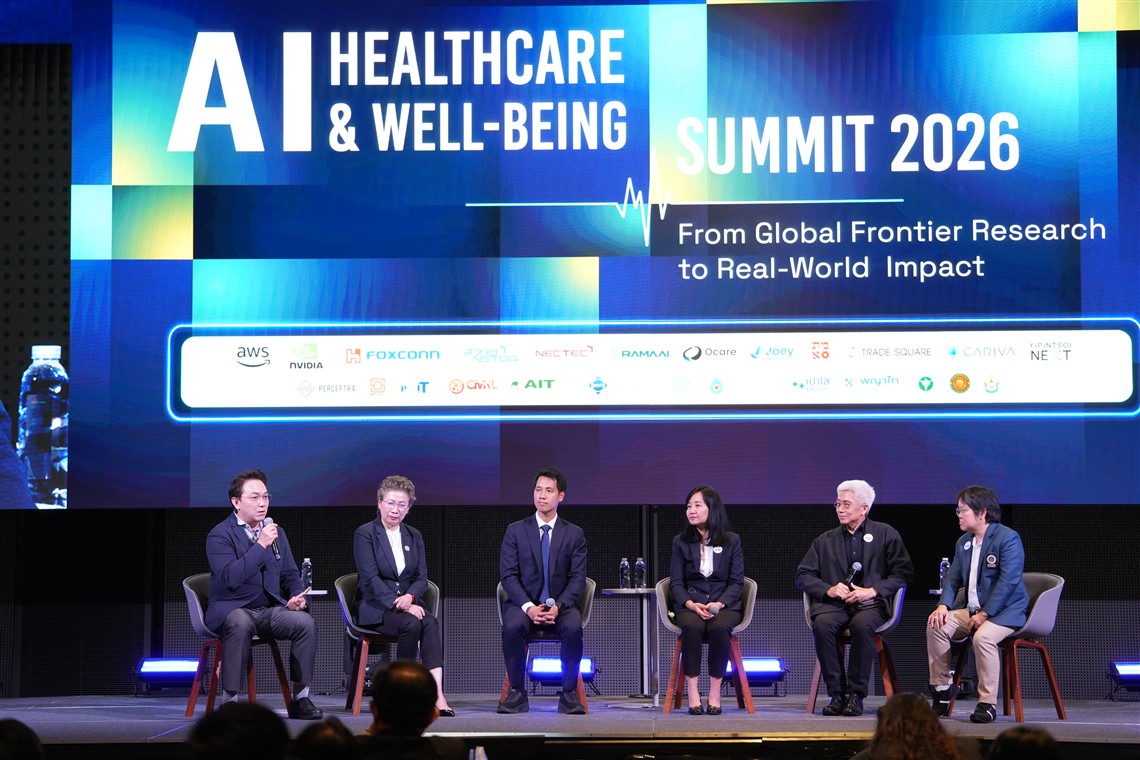
The event concluded with a panel discussion on “Building Thailand’s AI Healthcare & Well-Being Ecosystem.” This session focused on fostering collaboration to bridge research, technology, business development, and practical integration within Thailand’s healthcare system. The panel was moderated by Dr. Wannarat Suntiamorntut, Deputy Dean of the Faculty of Information and Communication Technology, Mahidol University, and featured panelists from academia, industry, and the technology sector, including Dr. Veera Veerakool, Vice Chairman of DCT and representative of the Digital Council of Thailand; Prof. Dr. Wanida Kanarkard, Vice Dean for Research, Innovation, and International Affairs, Faculty of Engineering, Khon Kaen University; Dr. Thiraphat Tanphiriyakun, Co-Founder of Joey AI Doctor and Founder & Chief Innovation Officer of OptimizeCare (Ocare Health Hub); Ms. Chatchada Apichasutthakul, President of the Thai Software Export Promotion Association (TSEP) and President & CEO of Touch Technologies Co., Ltd.; and Mr. Arunthep Sangvareethip, Founder and Group Chief Executive Officer of Emetworks Group.
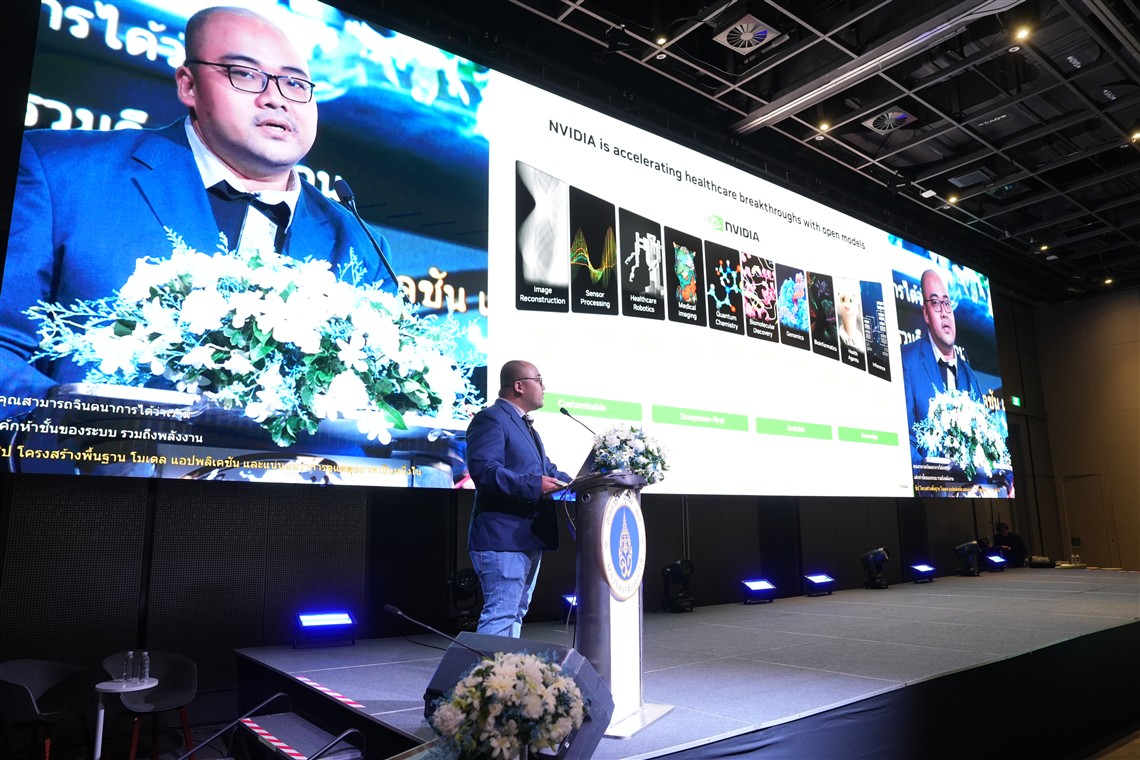
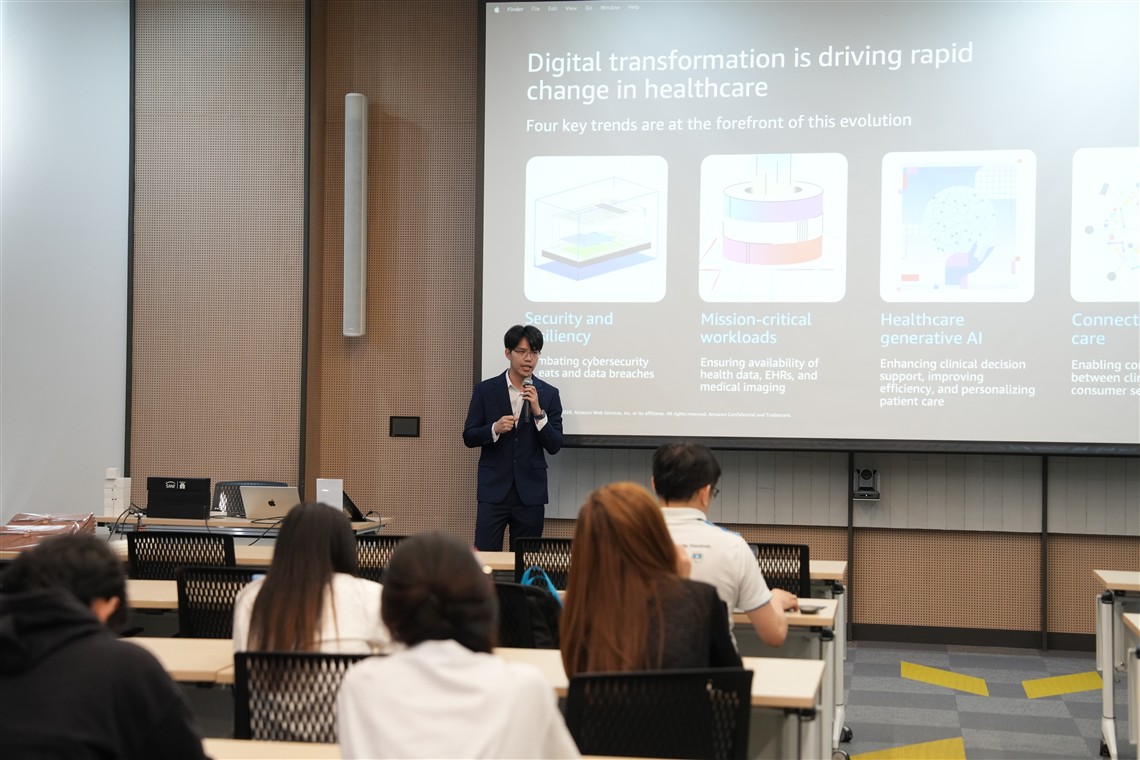
The event also featured workshops conducted by leading technology organizations, providing attendees with hands-on opportunities to learn about tools, platforms, and AI infrastructure tailored for healthcare. These sessions included “NVIDIA: Medical AI Infrastructure” by Mr. Tran Minh Quan, Senior Developer Relations Manager (DevRel) at NVIDIA; “Foxconn: From Open Source to Frontier AI: Building Domain-Specific Foundation Models (FoxBrain Case Study)” by Dr. Tran Rick, Technical Lead at the Foxconn AI Research Center; and “AWS HealthLake” by Mr. Theerapat Khotjarin, AWS Solution Architect.
Another highlight of the event was the “Demand–Supply Research Matchmaking” session, which aimed to bridge the needs of the healthcare and industrial sectors with the expertise of researchers and innovation developers. The session featured presentations on real-world challenges and unmet needs from key organizations, including the Digital Health Office, Office of the Permanent Secretary, Ministry of Public Health; the Phyathai–Paolo Hospital Group; and the Department of Military Medicine (Phramongkutklao Hospital). Furthermore, the session featured an exchange of perspectives on HealthTech innovation development by representatives of the Thai Health Tech Association, as well as presentations on research and innovation projects from Mahidol University, CMKL University, the Asian Institute of Technology (AIT), and NECTEC. These activities aimed to promote collaborative research, support the development of pilot projects, and facilitate the translation of research outputs into real-world applications.
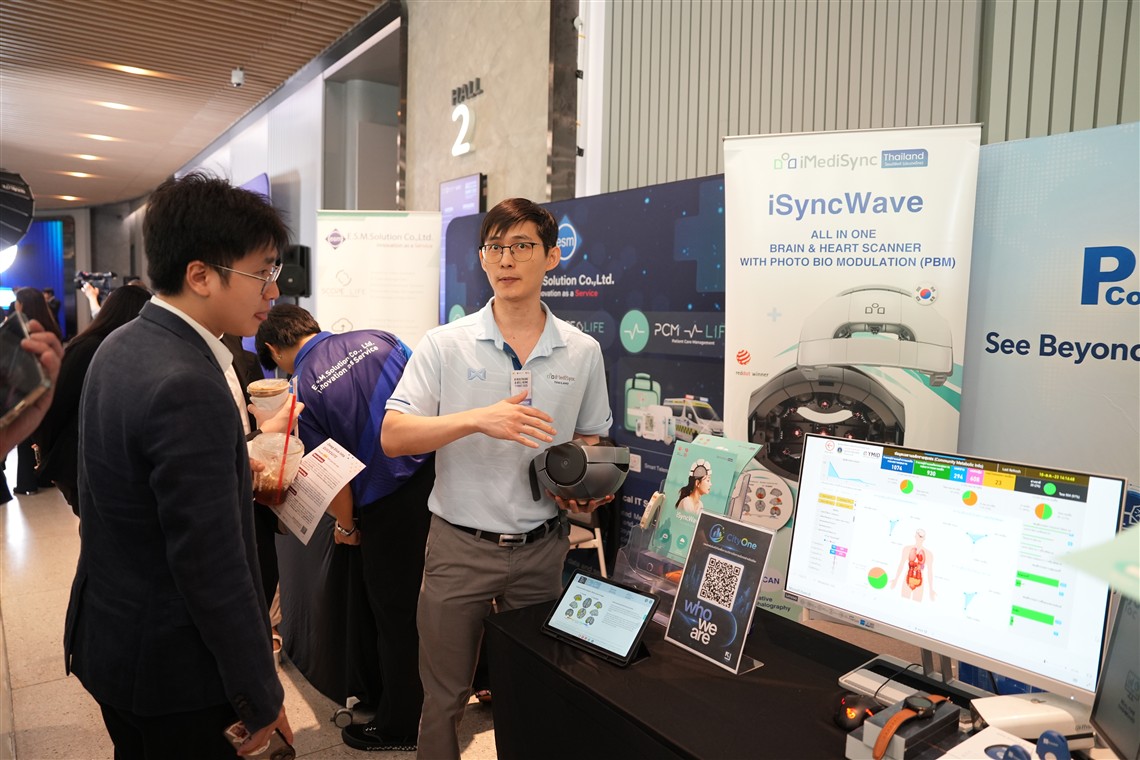
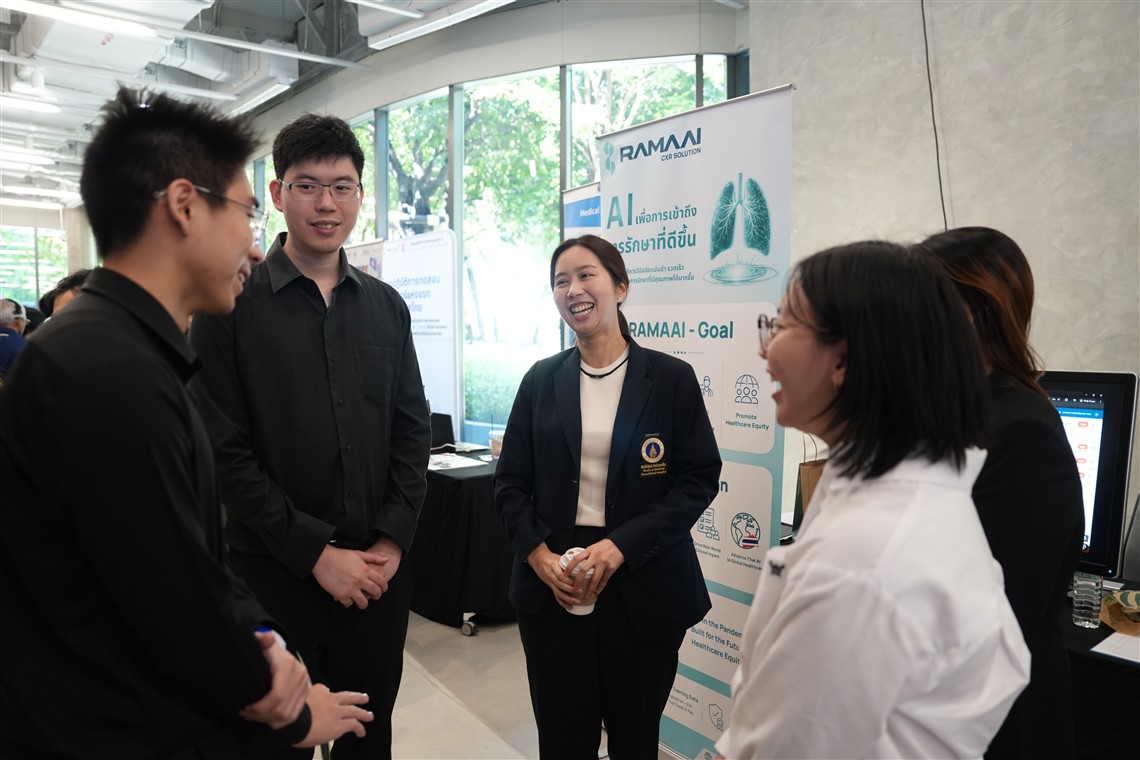
In addition to the keynote speeches, panel discussions, and workshops, the event featured an Innovation Showcase consisting of 14 exhibition booths from universities, research institutes, technology organizations, startups, and healthcare partners. The showcase presented cutting-edge technologies and solutions spanning various domains, including AI & IoT for NCD and Preventive Care; Agentic AI and Data Platforms; Medical AI Documentation and Clinical Workflow Support; HPC, Cloud, and Genomics Infrastructure; AI Medical Imaging and Screening; Community Health and Elderly Care Platforms; Medical AI Consortium and AI SaMD Evaluation. The exhibition demonstrated the maturity and practical potential of these innovations, highlighting their readiness for real-world integration and their capacity to contribute to meaningful social transformation.
The “AI HealthCare & Well-Being Summit 2026” was organized as part of the Reinventing University initiative, supported by the Ministry of Higher Education, Science, Research and Innovation (MHESI). The summit aimed to strengthen research and innovation in Advanced AI for Life Science and Medicine, while facilitating the translation of frontier research into practical applications. It also sought to promote research and innovation networks among the nine member institutions of the AI Engineering Institute (AIEI), with the goal of fostering knowledge development, innovation, and academic–industry collaboration to support the sustainable advancement of AI for healthcare. The conference underscored Mahidol University’s role as a leading platform for integrating knowledge and expertise in digital technologies, artificial intelligence, data science, medicine, and health systems. By fostering the translation of frontier research into real-world impact and strengthening collaborative networks among academia, government, the private sector, and industry, the event contributed to advancing research and innovation that support the development of more effective, modern, and equitable healthcare systems.