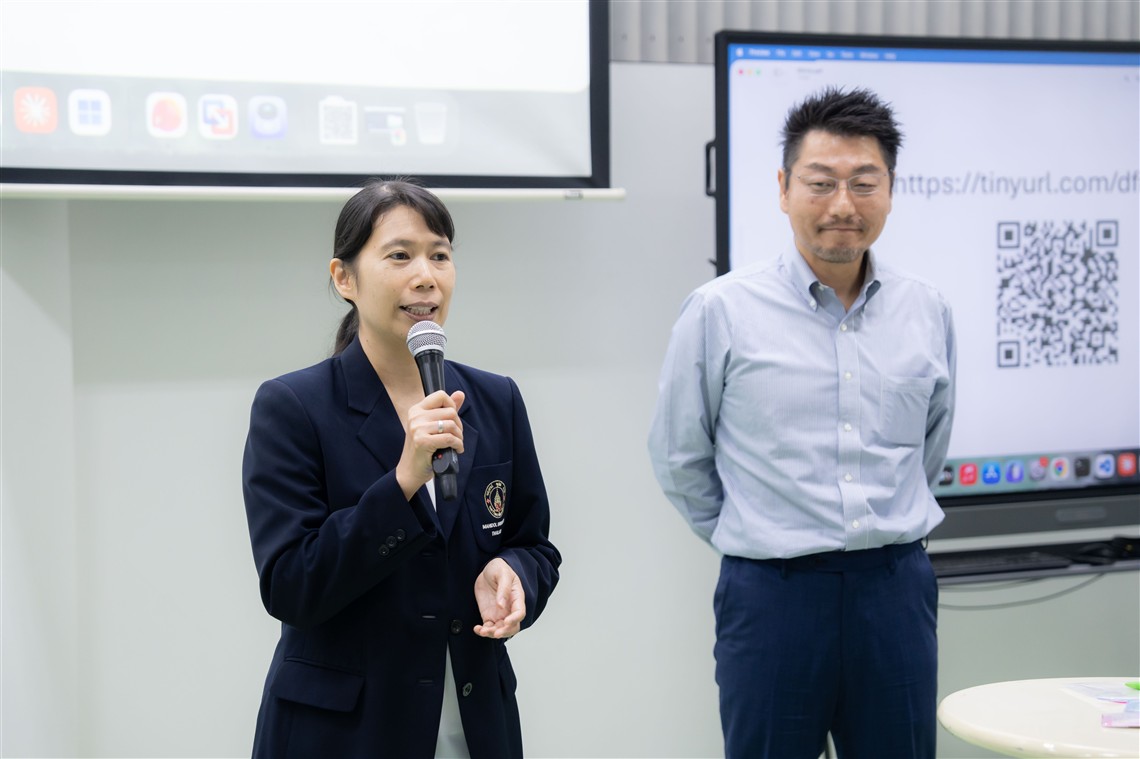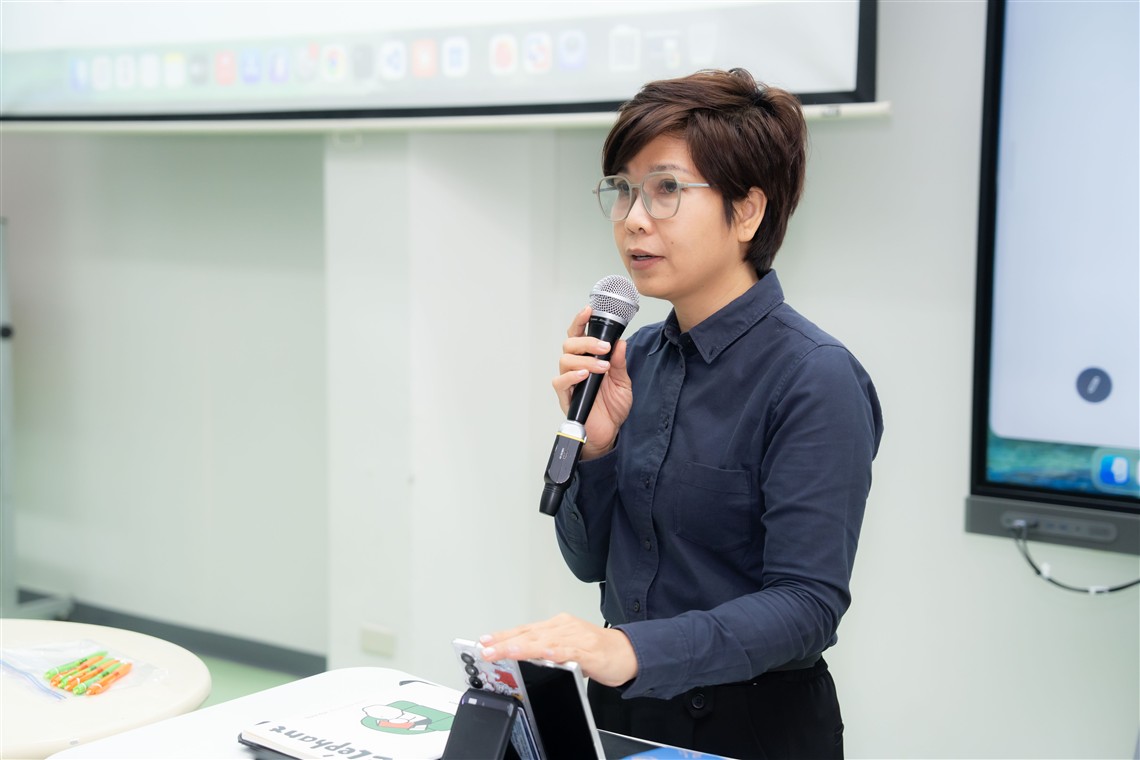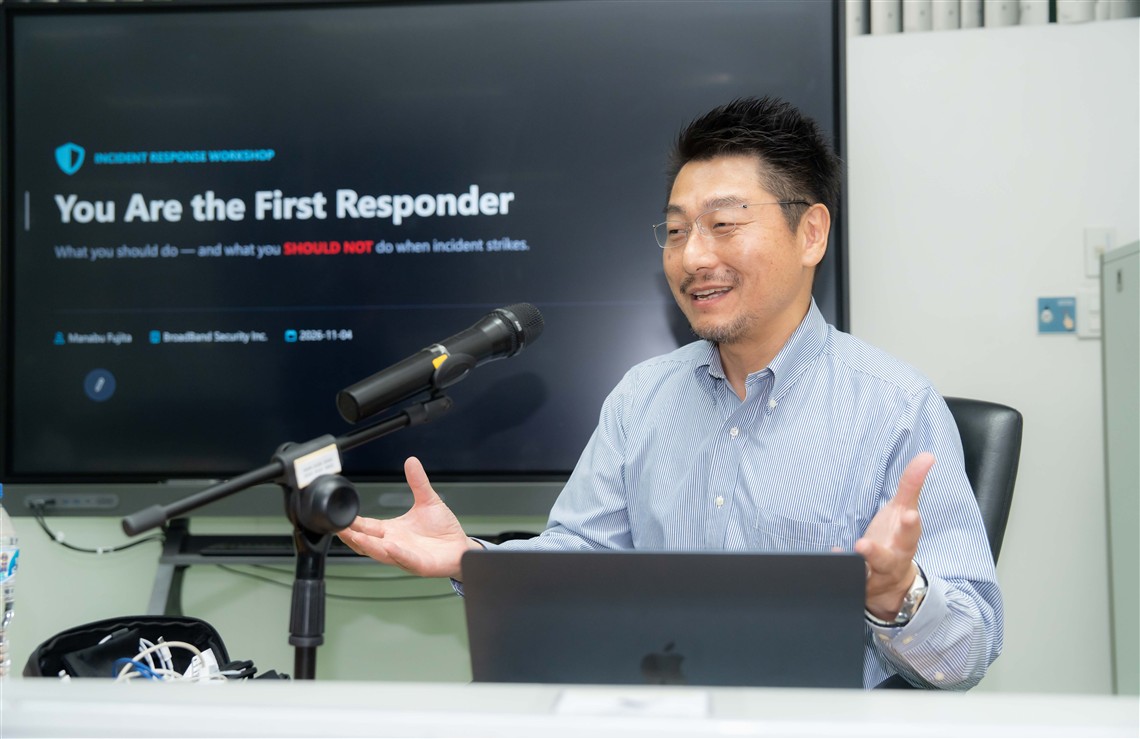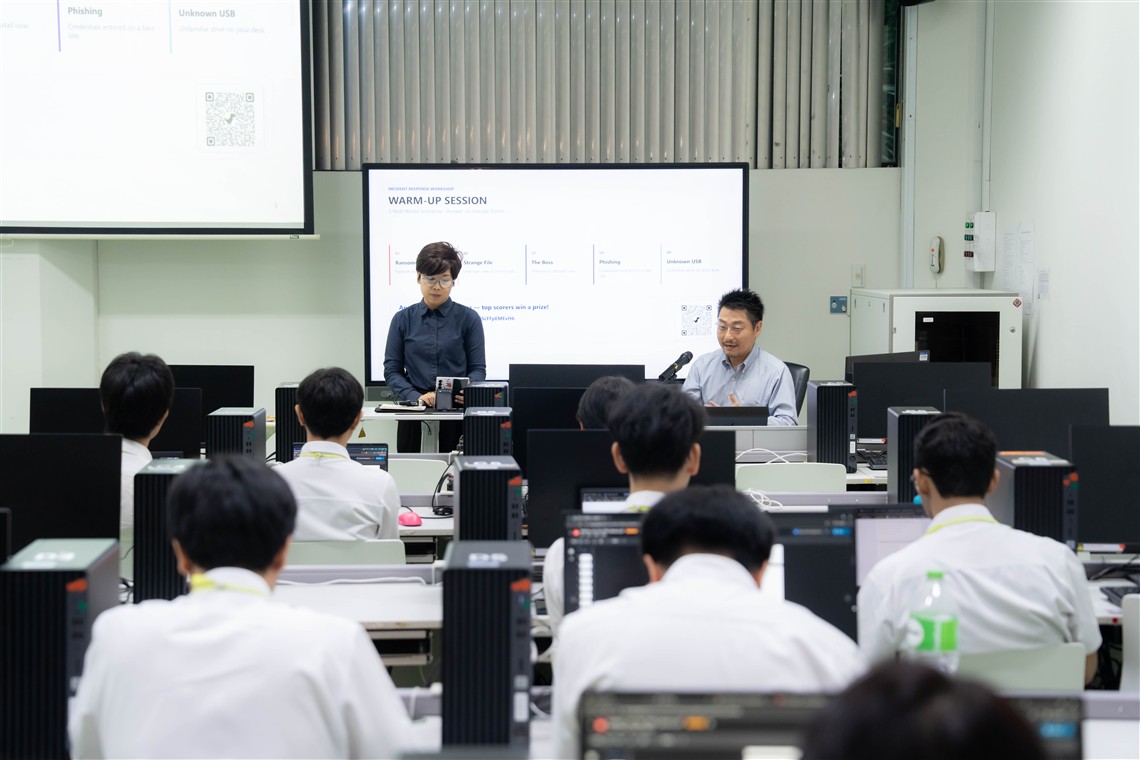
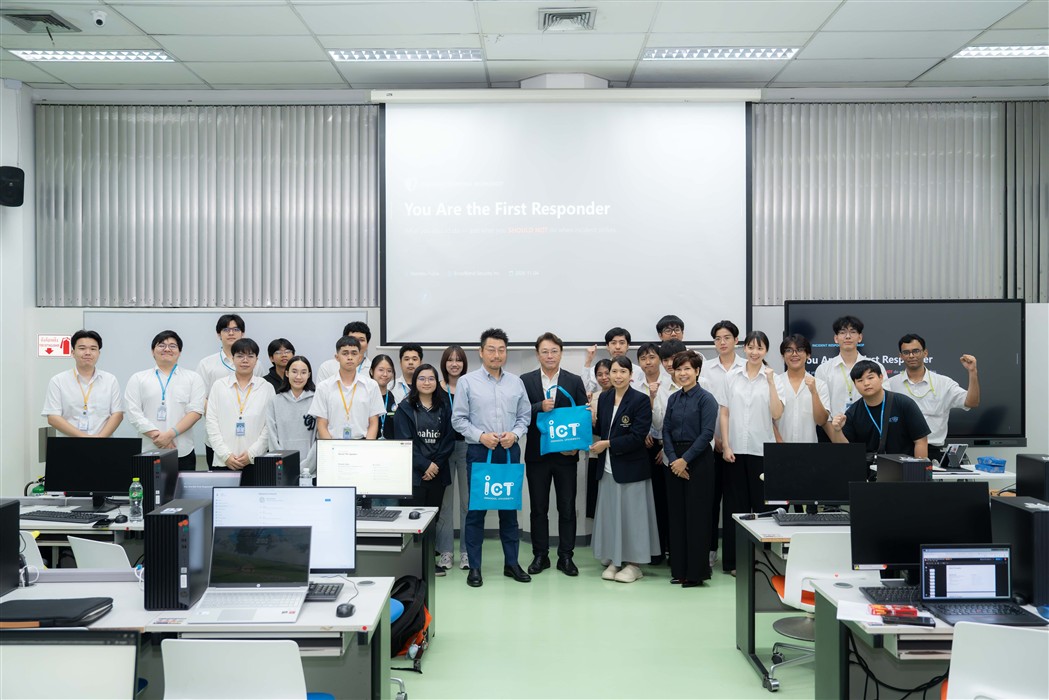
On November 4, 2026, the Cybersecurity Club of the Faculty of Information and Communication Technology, Mahidol University (ICT Mahidol), under the guidance of Assoc. Prof. Dr. Vasaka Visoottiviseth, Program Chair of the Master of Science Program in Cybersecurity and Information Assurance and Club Advisor, organized a session entitled “Digital Forensics: What Should You Do If You Are Involved in a Cybersecurity Incident?” The session featured experts from Broadband Security Assessment (Thailand) Co., Ltd., a Japanese cybersecurity company, who shared their expertise and professional experience in digital forensics and cybersecurity incident response with first- to fourth-year students enrolled in the Bachelor of Science in Information and Communication Technology (ICT International Program) and the Bachelor of Science in Digital Science and Technology (DST Thai Program). The event was moderated by Mr. Nattachai Mingrattikorn, a fourth-year ICT International Program student and President of the Cybersecurity Club, and Mr. Rapee Suwannachuen, a fourth-year DST Thai Program student and Vice President of the Club. The session took place in Computer Laboratory IT103, ICT Building, Mahidol University, Salaya Campus.
The session featured lectures, demonstrations, and hands-on workshops designed to equip participants with the knowledge and practical skills needed to respond effectively to cybersecurity incidents. Topics covered included incident response procedures, best practices, and key considerations for first responders. Participants were also introduced to internationally recognized techniques for collecting and preserving digital evidence, including memory acquisition and the creation of forensic images of storage devices. In addition, students gained hands-on experience with digital forensics tools such as FTK Imager and X-Ways Forensics and explored approaches to examining digital evidence in cloud environments using Google Cloud Platform (GCP). Throughout the session, industry experts provided practical guidance and shared insights from their professional experience.
The session provided students with opportunities to strengthen their theoretical knowledge and practical skills in digital forensics, develop analytical thinking and problem-solving abilities, and apply digital forensics tools and techniques to real-world cybersecurity scenarios. It also facilitated knowledge exchange between students and industry experts, helping bridge the gap between classroom learning and professional practice while preparing students for further studies and future careers in digital forensics, incident response, and cybersecurity.